Last-mile delivery
The closing trip from a pickup point to the person, desk, or door that actually needs the shipment.
Last-mile delivery is the final movement in a chain that may already have crossed a warehouse, a store, or a city. People search for last-mile delivery, last-mile courier, and last-mile delivery Canada when that closing trip is the part they cannot cover with their own staff. What is last-mile delivery, in operational language, is a handoff to the real recipient: a customer, a clinic, a job site, or a reception desk.
Gonaug does not describe itself as a software platform, and this page does not claim a route-optimization product. Last-mile delivery route optimization, last-mile delivery platform, and last-mile delivery management solution are common searches from teams that already own an order system. If you have a manifest, say what it contains — addresses, time windows, piece counts — and whether you need carriage, not a new application.
Who needs the last mile handled
Retailers releasing online orders from a back room. Wholesalers with a handful of city drops after a pallet arrives. Clinics distributing supplies to satellite sites. Field-service companies moving parts from a cage to technicians. Marketplaces that have picked an order and now need a person to carry it. The shared need is a clear list of stops and a definition of a successful drop.
Last-mile delivery companies are compared on coverage and on what happens when nobody answers. Decide that before the route starts. Options include a call, a second attempt on the same run if the geography allows, or a return to the pickup point. An undefined failure becomes a driver decision, which is how parcels end up in the wrong place.
How a last-mile request is specified
Start with one pickup and the list of deliveries, or with a single delivery if that is truly the job. Each stop needs a unit number, a contact, and a window that a person can keep. Buzzer codes and dock appointments belong in the note, not in a follow-up text after the driver has left. If stops must happen in a sequence because of refrigerated goods or appointment times, say the sequence is mandatory.
Last-mile delivery service for a single important stop may simply be local courier or same-day courier. The last-mile label is most useful when you are thinking about the closing leg of a larger flow, or about several drops from one release. Parcel delivery covers the object. This page covers the shape of the route.
What this site will not pretend
There is no last-mile delivery insurance figure published here. Ask about responsibility for loss or damage in the quote, and do not copy a limit from another company’s brochure. There is no claim of a national scoring system for last-mile delivery performance. Performance on your route is a matter of accurate addresses and a window you can staff.
Coverage follows the addresses. Service areas and the city guides explain how to name a Canadian lane. A last-mile program that spans many municipalities should be discussed as a set of lanes, not as a logo on a map.
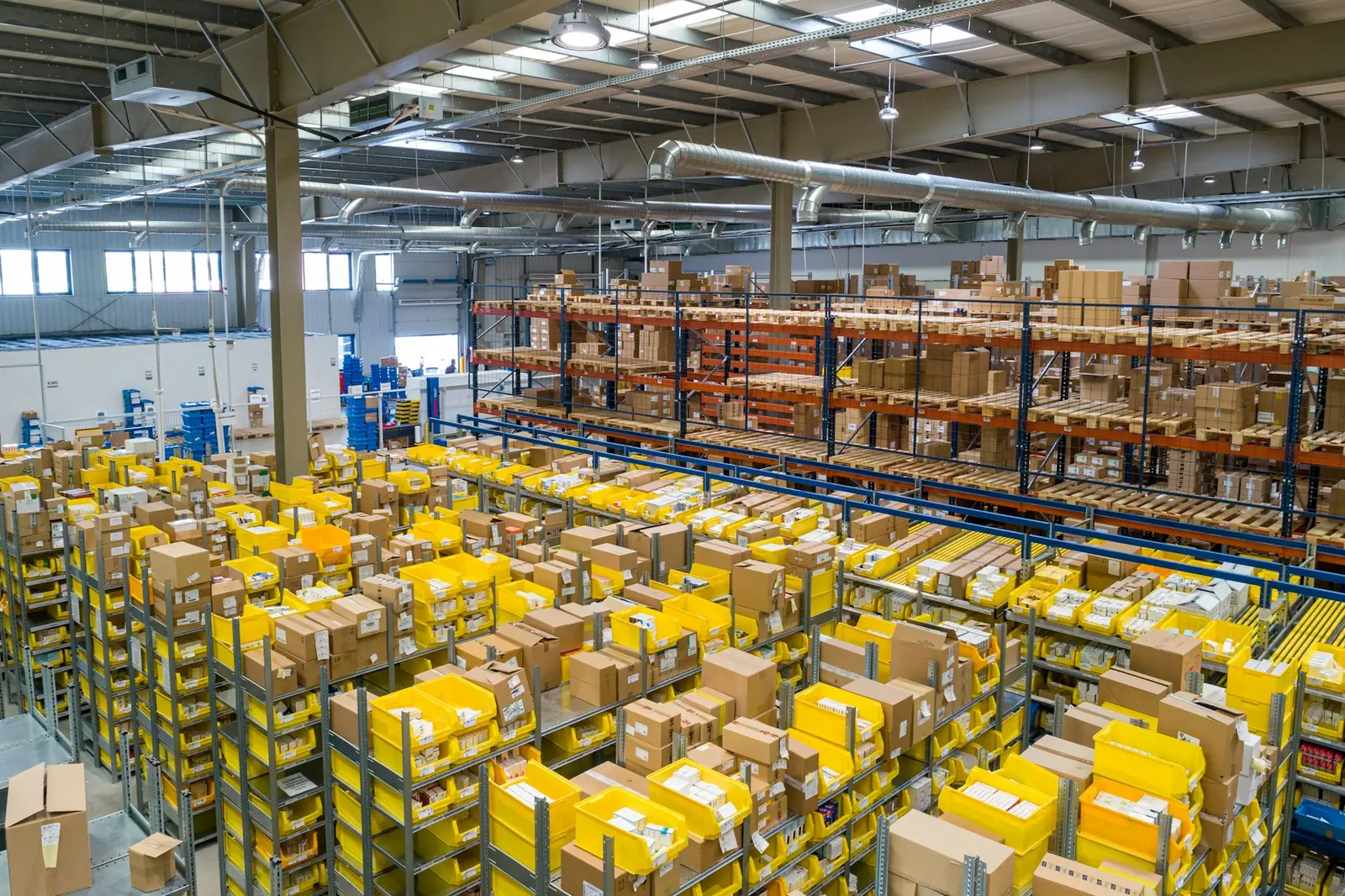
Benefits of treating the last mile as its own brief
Stops are written down before the vehicle is loaded. Receivers know a window instead of watching the street all day. Failed attempts have a rule. And your team stops using a vague “courier will figure it out” instruction that breaks on the third condo in a row.
If the same stops repeat on a calendar, move the work to scheduled delivery. If a company owns the account, align the paperwork with business courier. The last mile is still the last mile. The schedule is what keeps it from being re-invented every morning.
Writing a last-mile brief a driver can finish
Last-mile delivery solutions and last-mile delivery services fail in the same places: missing unit numbers, windows nobody can keep, and a backup rule that was never chosen. If you are a retailer, export the stops you actually need carried, not your entire order history. If you are a warehouse, separate the cartons that leave today from the cartons that are only staged. Last-mile courier work cannot sort your building and drive the route in the same breath.
Sequence matters when appointments do. A clinic that accepts supplies until noon cannot be the fourth stop after three condos with no time fence. Mark mandatory order. If the order is merely a wish, say the driver may reorder for a sensible path. Gonaug is not selling a last-mile delivery platform or a conference talk about performance scores. The performance that matters is whether the address was complete.
Attempt rules should be dull and specific. Call this number. Wait five minutes. Do not leave the parcel unattended. Return it to the pickup if the call fails. “Use your judgment” is how a parcel ends up with a neighbour who did not agree. Last-mile delivery insurance is a question for the quote, not a figure copied from a search result. No limit is stated on this site.
A single final stop for one important carton may simply be local or same-day courier. Use the last-mile label when you mean the closing leg of a flow or a set of drops. Business senders who repeat the same stops should move that list onto a schedule. The last mile does not get easier because it is named. It gets easier because the list is short enough to be true.
A shorter list is a better route
If you cannot read every stop aloud and believe the unit numbers, the list is not ready. Remove the guesses before you ask for a driver. Group only the stops that share a window. A morning clinic and an evening condo are two jobs even if they started in the same warehouse. Say whether a partial completion is acceptable — some stops done, one returned — or whether the set must stay together. Last-mile work is allowed to be ordinary. It is not allowed to be vague. When the same list repeats, schedule it. When a single stop is the whole story, you may not need this label at all. Use it when the closing handoff is the part you want planned, and write that handoff as a person, a desk, or a dock with a rule for absence.
Related services
Questions people ask
What is last-mile delivery?
It is the final trip from a store, warehouse, or hub to the recipient who needs the shipment. It can be one stop or several drops from one pickup.
Do you provide a last-mile software platform?
No. This site describes carriage. If you already have an order file, describe it in the quote so we can say whether a manifest is enough.
How should failed deliveries work?
Choose the rule in advance: call, attempt again if the route allows, or return the piece. An unstated rule becomes a guess at the door.
Is last-mile delivery only for e-commerce?
No. Clinics, job sites, offices, and warehouses use the same idea whenever the closing handoff is the hard part.
Send the lane, not a guess.
Pickup, delivery, timing, and a plain description are enough to start.
Get a Quote